
Why Thoughtful Horse Management Matters More Than Ever
Understanding the Horse’s Daily Life
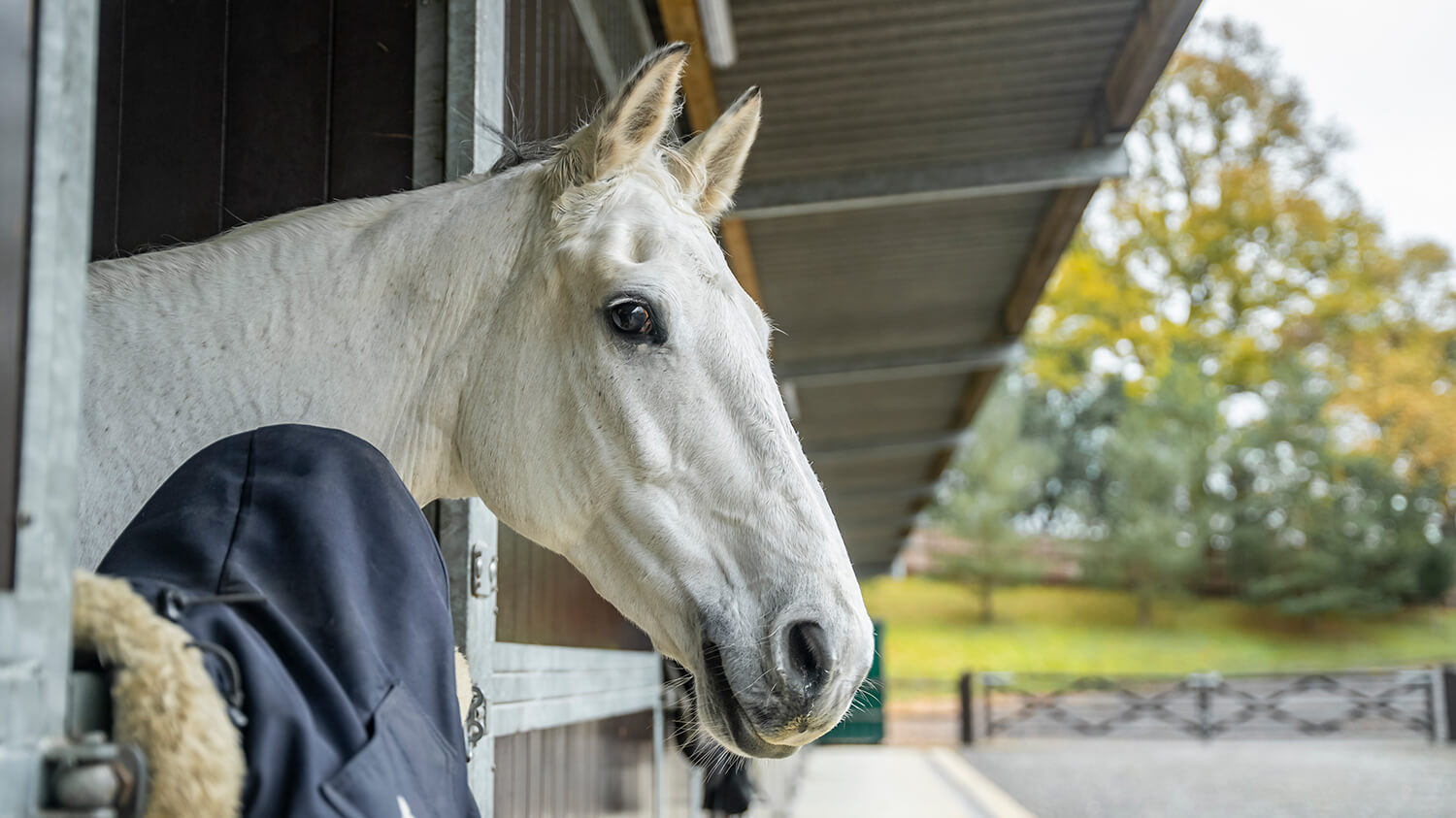
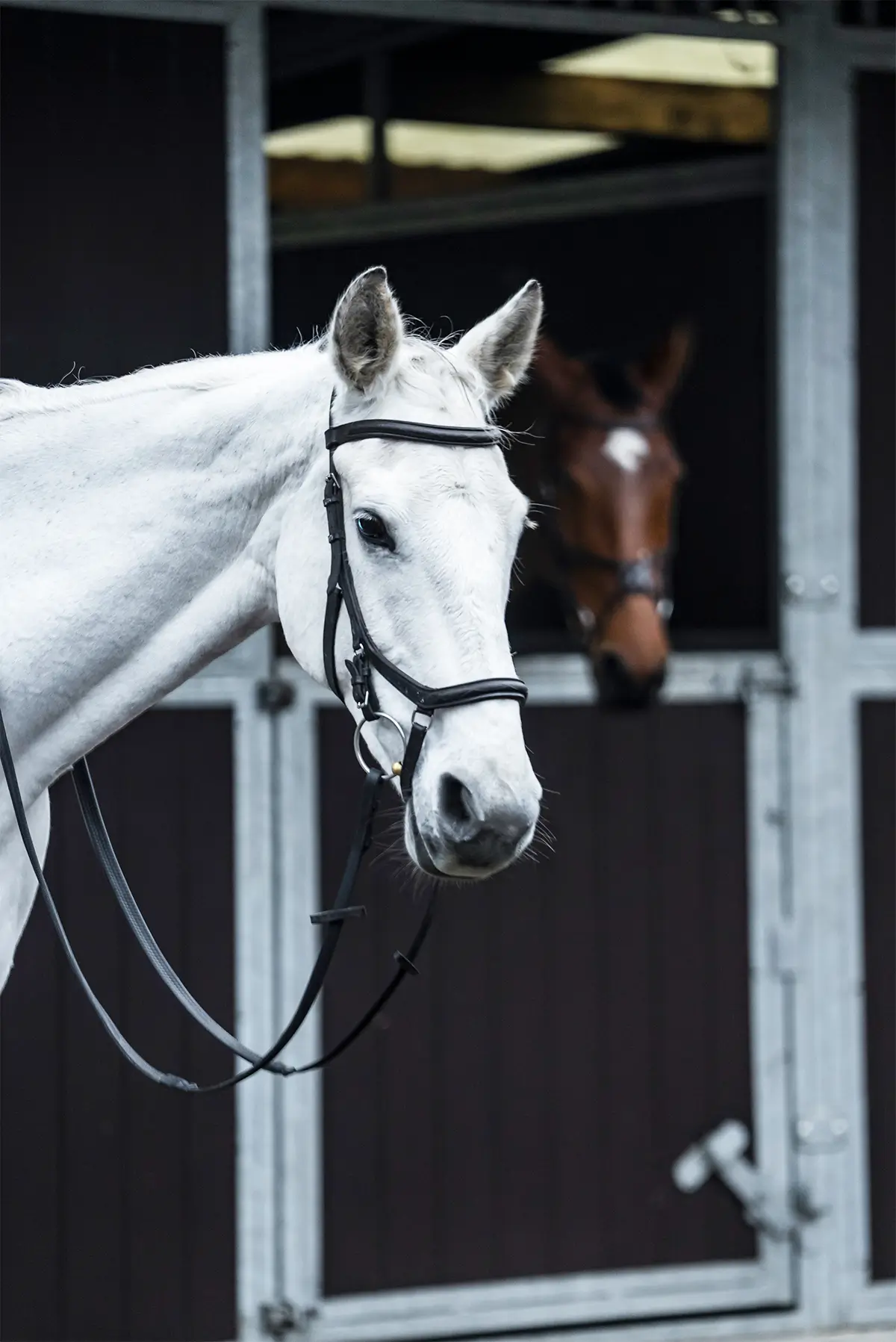
Horses are creatures of rhythm. Their wellbeing depends on predictable patterns, steady handling, and small markers of familiarity—how they’re led, when they eat, and how much space they have to move.
At a well-run estate, management starts with observation:
how the horse greets the day
changes in eating or drinking
small variations in movement
signs of mental or physical tension
These details shape the decisions behind every care plan.
The Value of Routine
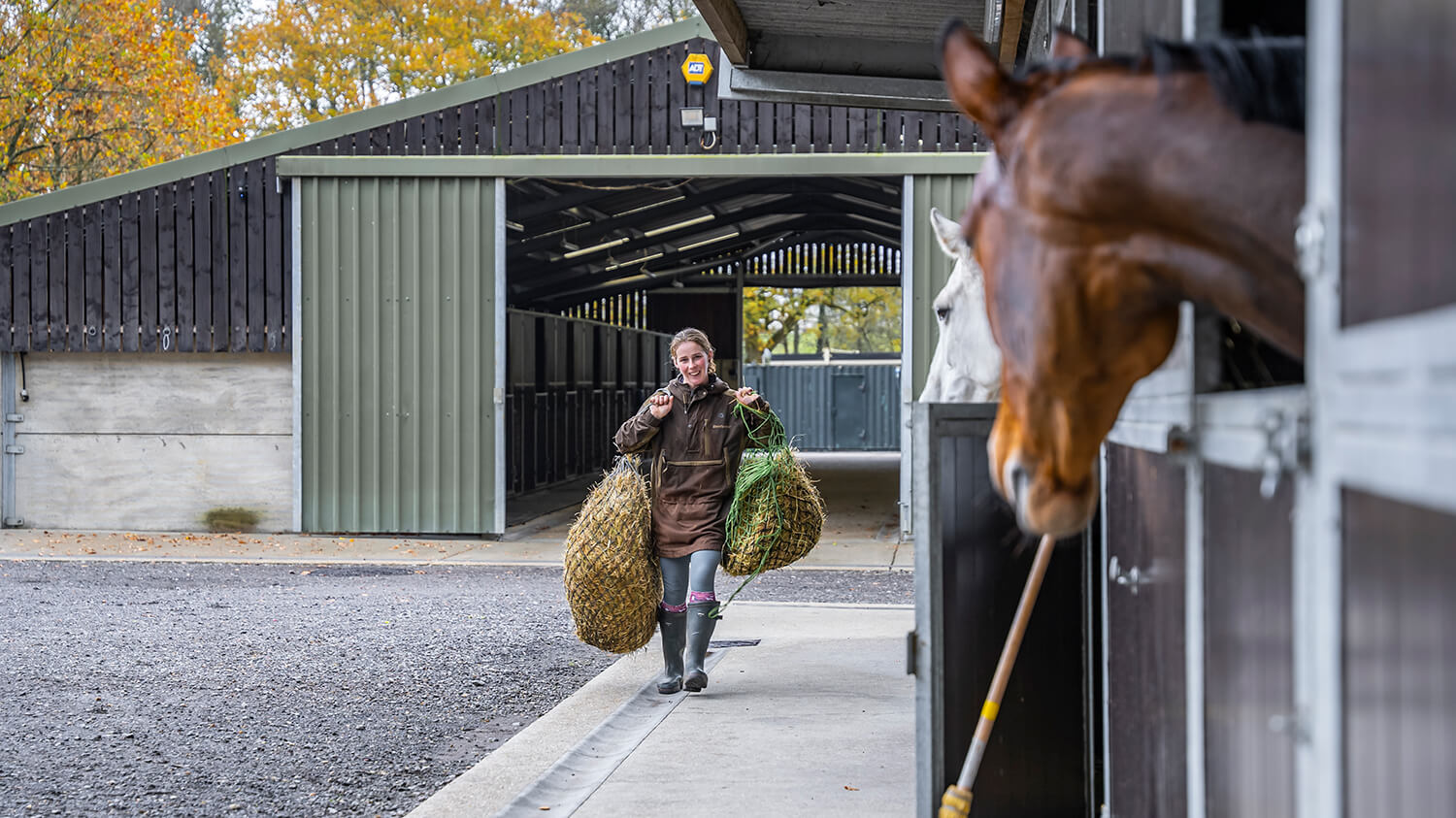
Routine doesn’t mean rigidity. It means giving the horse a day that makes sense. When the basics hold steady, everything else becomes easier—training, vet work, travel, and even quiet hacks.
A strong routine often leads to:
reduced stress
more consistent work
fewer behavioural problems
improved overall condition
Clear Communication With Owners
Owners want clarity. Not reports for the sake of formality—clear, accurate updates that reflect how their horses are doing.
Good communication includes:
changes in feed
exercise notes
comments on behaviour or progress
early flagging of anything unusual
This transparency builds trust and helps everyone make better decisions.
Welfare as the Baseline
Thoughtful management doesn’t chase trends. It prioritises welfare, sound training, and a steady pace of progression. Horse
Frequently Asked Questions
What does “thoughtful management” mean in practice?
It means decisions based on observation, experience, and the horse’s long-term wellbeing not convenience.
How does routine influence behaviour?
Predictable days reduce stress and help horses feel secure, which leads to calmer, clearer responses under saddle and on the ground.
Is data part of modern horse management?
Yes, when used sensibly. Monitoring weight, workload, and progress helps refine decisions without replacing hands-on experience.
How quickly can thoughtful management improve a horse’s wellbeing?
Some changes appear within days softer expression, steadier eating but meaningful improvement is gradual and consistent.