
What Defines a Modern Equestrian Estate?
A Calm Approach to Horse Care
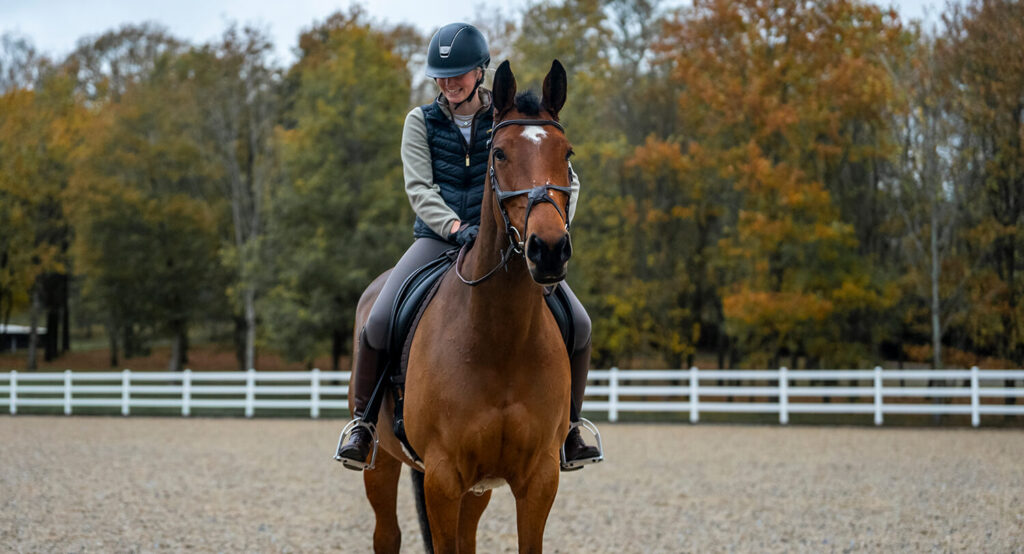
A modern equestrian estate isn’t about spectacle. It’s about creating an environment where horses can work, rest, and settle without tension. The focus is on steady routines, measured decisions, and a clear understanding of each horse’s needs.
You feel this in:
consistent handling
structured daily patterns
a yard that runs quietly and efficiently
staff who work with intention, not haste
These fundamentals shape an atmosphere that supports both performance and long-term comfort.
Blending Tradition With Practical Innovation
Modern equestrianism still draws heavily on classical principles. What has changed is how we apply them.
Examples include:
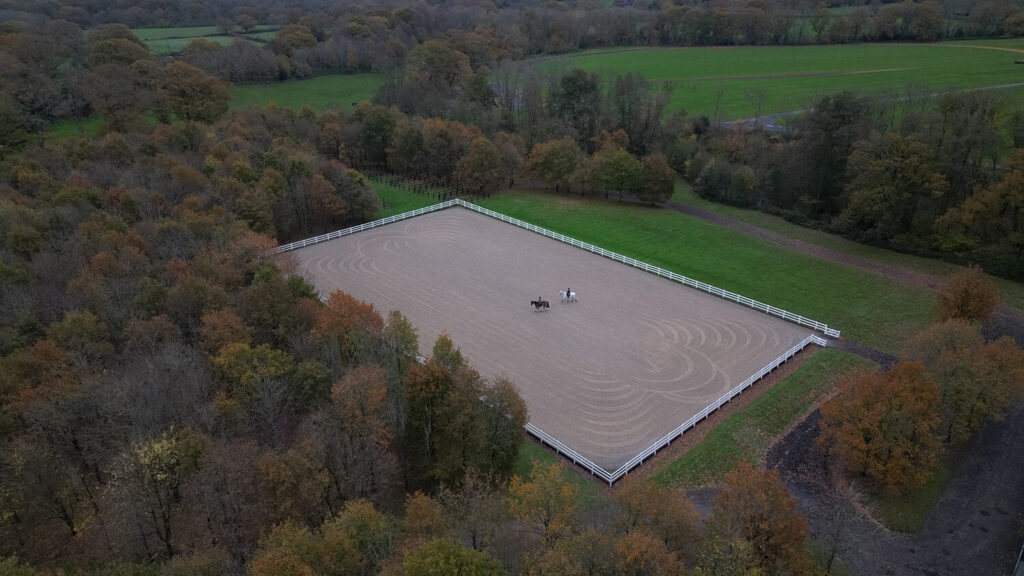
training surfaces designed to reduce strain
turnout planned with temperament in mind
feeding based on forage quality rather than habit
stable design that prioritises airflow and calm movement
This balance allows horses to live in a space that respects tradition while using thoughtful updates to improve welfare.
Why Consistency Matters
Most horses thrive when they know the rhythm of their day. Reliable care doesn’t have glamour to it, but it yields results: softer movement, clearer focus, fewer behavioural shifts.
Consistency shows up in the small things:
the same person leading a horse to turnout
work schedules that make sense for age and fitness
early spotting of changes in mood, appetite, or stride
This attention creates a stable baseline for training and progression.
A Yard Shaped Around Clarity
The best estates are straightforward. Horses know what’s being asked of them, and owners know their horses are understood as individuals. Facilities exist to support not distract from the essentials of good horsemanship.
Frequently Asked Questions
What makes a modern equestrian estate different from a standard livery yard?
A modern estate offers more structure, a calmer atmosphere, and a team focused on long-term welfare rather than quick solutions.
Do horses settle faster in this type of environment?
Generally yes. Predictable routines, consistent handling, and a quieter yard reduce stress and help horses adjust.
Is the approach suitable for both leisure and competitive horses?
Yes. The same principles of routine, thoughtful management, and clear communication benefit all horses.
What role do facilities play?
Facilities are tools. They matter, but only when used with purpose. Surfaces, turnout, and stabling should support the horse’s daily rhythm.